Combat related PTSD can lead to devastating consequences for military families, leaving caregivers to bear the weight of their loved ones' unseen wounds and work to compensate for the missing pieces.
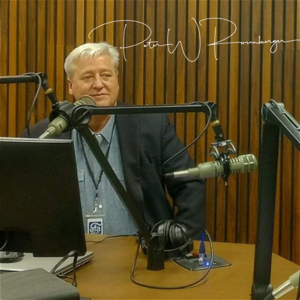
This is Peter Rosenberger and this is your Caregiver Minute. A recent caller to my radio program shared her journey as a caregiver.
She started talking about her grandchildren and then it took a really sad turn. Combat related PTSD led her military son down some dark paths including drugs and alcohol and his family disintegrated. This grandmother found herself with an impaired son and caring for vulnerable grandchildren. Many think of caring for the elderly yet many kinds of caregivers exist and each of them bear their own sadness and difficulties. It's often stated that soldiers leave a part of themselves on the battlefield and sometimes when they get home it's the family caregiver that works to compensate for those missing pieces and to address those seen and unseen wounds of injured servicemen and women. While our military is composed of those who volunteer to don the uniform there exists an additional and less visible army of volunteers. Those volunteers are family caregivers who stand in the gap for wounded warriors and often their families. Their acts of devotion not only serve their loved ones but also honor this great nation. This has been your caregiver minute with Peter Rosenberger brought to you by standing with hope a ministry for the wounded and those who care for them. There's more information at standingwithhope.com
Get The Truth Mobile App and Listen to your Favorite Station Anytime