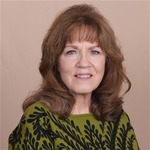
This is the Truth Network. Welcome to Hope in the Morning, turning tragedies and tears into testimonies of hope. Welcome to Hope in the Morning. My name is Emily Curtis, and I am joined today with Ken and Mary Sue. And this is a really special episode.
You know, I hope that if you have a child that has special needs, or a loved one with special needs, or if you simply want to know how to love better those with special needs, this is an episode that is going to greatly influence that for you. And I think it's going to be an episode that gives you great joy and encouragement. They are the authors of a book called Jacob's Story. I'm going to show you. If you're watching on YouTube, you can see their book.
This is a pretty incredible book.
So, Ken and Mary Sue, welcome to Hope in the Morning. Thank you, Emily. We're so blessed to be here with you. Very blessed. One of the things that really stood out to me in your book, first of all, I met you guys at the NRB last year, and what a blessing that was to meet you both.
But one of the things that is so cool about this book is that you guys had a son named Jacob. And he was nonverbal, and yet you've written this book as if it was first first person from his perspective. I thought that was so incredible. What gave you guys that idea? Like, we want to write it from Jacob's perspective, not from our own.
So it wasn't our idea. It was actually our our book writer, our ghost writer. And our scriptwriter for the movie were collaborating together, and they came to us and they said, "We think this would be just an unbelievable way to just bring out his voice." And I have to tell you, once they told us about it, we we both sat there and wept because. You have to understand. We never had heard his voice.
He wasn't able to communicate that well with us, and so for for them to come up with this idea, yes, it's a lot of what we gave them as far as who who he was and maybe what he was thinking. But they ran with it, and and it was just like unbelievable blessing for us because to hear his voice like this. It was very unique, and we were we were just blessed. Yes, and it touched our hearts so much, so that we realized, of course, that's what he was saying. Of course, that's what he was feeling and thinking.
Yeah, I thought it was so neat. I was I was sharing with you guys before we came on that I told my mom about your book, and I was telling her, said you know, one of the things that is so neat about this book, and I read a lot of books for hope in the morning. But one of the things that I thought was so neat about this book, with it being through Jacob's voice, is that it also gives those of us that didn't have a chance to get to know Jacob, but also even just the community as a whole of people that have special needs and different abilities.
Sometimes it can be hard to get to know them, to connect with them, and this is so neat because it really it makes you see that. Jacob's no different than the rest of us. Just because he couldn't verbalize what he was thinking doesn't mean he wasn't thinking things. Doesn't mean he didn't have feelings and emotions. And I just think it was such a neat thing.
I hope that everyone that's listening will run out and grab your book. And so I want to start from the beginning and talk about the fact that you guys did not know he was your first child, and you didn't know that you were walking into. This calling that the Lord had for you guys of raising a child with different abilities and special needs, can you walk us through when Jacob was born and what those immediate weeks after looked like for you guys? Yeah, it was honestly it was a shock because he came six weeks early, and as soon as he was born, the doctors knew there was problems, and he had a Cyst on his kidney the size of grapefruit, but back then in 1981 there was no ultrasounds, so we very much were unaware.
So he went into surgery immediately within two hours or three hours after being born, and he was at Children's Hospital, and and the prognosis came out that he was doing really well after the surgery. And so the doctor said, maybe by the end of the week he was born on Monday. Maybe by Friday he could come home.
So Wednesday came around, and we were we were had been at the hospital straight 24 hours straight for three days. The nurses said, why don't you go home and and and rest a little bit? And he's doing great. And as we walked in our home, we heard the phone ringing. And it was nine o'clock at night, and we both looked at each other and we said, "Oh no, this this may not be good." And sure enough, it was a doctor's, and they said, "Please come back.
We don't know if he will make it through the night." Wow!
So we went back, and on our road trip, we had an awesome promise from God that we got delivered from a musician in the radio, and it was. A story about how God does not let the righteous be forsaken. Had we we didn't have any idea what we were heading back into, but Jacob's body had already collapsed. And the song says, "When you grow weary and things get tough, you may not have everything you want. You may not have enough.
And when your darkest hour comes, just remember what I say." I've never seen the righteous forsaken, or their seed begging for bread.
So Jacob was our seed, and we were claiming that we were going to hang on to this promise, not knowing even the darkest hours that were ahead of us. And as we as we were driving, we were just sobbing because we knew it wasn't. We might lose him that night. And when we got to the hospital, the doctor said to us, "You know, he's had seven heart attacks." Wow. He had.
They ended up doing two complete blood transfusions. His lungs had collapsed, and he was very, very fragile, and and there wasn't a good prognosis going forward. But we, but we just turned to God. Yeah. We didn't have any other thoughts but to turn to God and say, God, come and intervene somehow, some way.
So after about four days or five days of him hanging on by a thread, the doctors came to us and said we'd like to have a meeting with you. And they said, you know, we don't think that your son is going to have a quality of life, and if you would like, we would be willing to just make him very comfortable and let him pass. And you could start over because you're 22 years old. And and we looked at each other, and we looked at the doctors, and we said, "No, there's no way that we're going to go ahead and do that." God gave us our child.
However long we have him, we will be blessed and grateful for. And if he takes him tomorrow, then we have one more day with him. But we're not going to go ahead and and and make the decision on when he should die or not. We had been told that his EEG on his brain was severely abnormal, and so they were already erasing the rest of his life based on that decision. And he had so many tubes going in and out of him, like many people know when you have a A crisis happened.
His lungs had stopped. His um, failed, and his kidneys had failed, and his heart had stopped many times.
So they were already predicting his future, and so we took the moment and we surrendered Jacob. We we literally lifted our hands up together and said, "God, we surrender our son to you." Wow! And so after that, go ahead. Go ahead. Go ahead and finish.
After that, we just knew that in trusting that promise God had given us that He was going to let His seed go begging for bread, and that we were the righteous, and He was going to stand by us. That's what we did for Jacob. We stood by him, trusting God solely on the promises that Jacob was born and when he was knitted in his mommy's womb, in my womb. God had seen everything that was going on. He saw that cyst.
He knew the dark days that were coming, and we were filled with promises and hope to continue trusting in Him no matter what. And He had a life filled with crisis. It wasn't just at the beginning. And so many, many surgeries and complications after that, to the point where he was deaf. The pseudomonas infection that raged through his body when he was, after the surgery, caused an infection.
They had to heal by medication that killed the hearing, and then so he was deaf, right? And so many of the The heart attacks that he had taken on also created cerebral palsy. He had a lack of oxygen through his brain, so he couldn't walk. And then, being all of that together, he couldn't talk.
So we're facing a future of unknown. At the moments of his first, you know, four months, we didn't know any of this was going to happen. It just developed over time that we discovered his life was going to have some complications, but again, we just chose to love through him, love him through it. It reminds me when you were saying that already, the doctors when they saw that that EEG that they were already determined that his life didn't have value, and yet Jeremiah twenty nine eleven reminds us that he has a plan and a purpose and. Even what you were quoting a minute ago from Psalm one thirty nine, I love Psalm one thirty nine because it reminds us that even in the hidden places of the womb, that the Lord wrought us together, He knit us together in our mother's womb, and we are fearfully and wonderfully made.
And our soul, the the that that passage says, our soul knows it very well, and I love. We're gonna get into this a little bit later, but I love the fact that Jacob's soul knew it very well. Jacob knew that, and it's such a neat thing to see how the Lord took suffering. And you talk about that—that music that you heard in the car. And for those parents that are listening to that.
Some people get these diagnoses, and their baby doesn't make it, and it doesn't make God less faithful. It means that God will be faithful in a different kind of season, and we'll go on toward the end of the show to see how the Lord has been faithful to you guys in that season. But the Lord is not less good because our circumstances are less good, and you know, as we dive further into your story, we're going to hear about how the Lord used. A circumstance that you would have never wished for. If someone brought it to you while you were pregnant and said, "Hey, listen, we can give you either a neurotypical child with all all of their abilities, or all of these hardships," nobody in their right mind is going to say, "I'll take the hardships," you know.
And yet, the Lord redeems those things, and you guys—you guys—are here today with a testimony because of what the Lord chose for you and chose for Jacob, and the fact that you did exactly what you said—you held hands and you surrendered him to the Lord. I think sometimes we forget, as parents, that our children are never our own to begin with, and we we grip them so tightly that. When the Lord has to pry our fingers loose, it's painful. But if we can instead say, "Lord, you knit them together in my womb; they are yours. Their their plan and their purpose is yours." And when we come back from the break, we're going to talk about.
I want to talk about the challenging question of the fact that you do sometimes have to fight for these children when they're little for people to see the value of their life.
So join us again in a moment on Hope in the Morning. Do you have a testimony of hope? Perhaps you've walked through depression or addiction. Maybe you were diagnosed with a serious illness or have suffered the life-altering death of a loved one. If you want to encourage others with your testimony and share the light of Jesus, visit hopeinthe morning dot org and submit your story.
Your story might be just what someone else needs to hear to find hope in their morning. If you have a desire to encourage the hurting with the hope of Jesus, we invite you to join our ministry by giving a donation at HopeInTheMorning.org. Episodes like the one you're listening to are only made possible by your donations.
Now, if you've lost a loved one, you can donate in their honor. Simply put their name in the memo portion of your donation, and we'll read these names on future episodes of Hope in the Morning. And may you be reminded of the goodness and faithfulness of God as you continue this episode of. Hope in the morning. John thirteen thirty five says, "By this everyone will know that you are my disciples if you love one another." Do you know how to best love and serve your hurting brother or sister in Christ?
Listen to Hope in the Morning and be equipped to offer the hope of Jesus to every hurting heart. To learn more or to partner with our ministry, visit us at hopeinthe morning dot org. Welcome back to Hope in the Morning. I am your host Emily Curtis, and I am joined with Ken and Mary Sue, and we're talking about their precious son Jacob, who was born with what the world would say were limitations, but the Lord had other plans for that. And we were talking about how the doctors initially—you didn't have ultrasound, which, in a sense, is almost a blessing because.
Now you know, in in my generation, they do ultrasounds all the time, and at the slightest, at the slightest sign that something's wrong, they say, "Hey, termination is an option." And as believers, we know that that is not true, and yet we're living in a world where we have to fight for the sanctity of life. And you guys had a moment like that. Not only did you have a moment like that when Jacob was a baby, but I would assume that you guys actually had moments throughout Jacob's life where you guys had to kind of advocate and say, "No, his life has value. It has a lot of value." Can you tell us what that was like to say, "No, we're we're going to fight for the value of his life." Doesn't matter what other people are going to throw our way. How did you guys come to a unified perspective on that, and then voice that?
It's great question. I and I think that the advocacy for Jacob never stopped from day one until he passed. And and and what it really came down to is. Jeremiah one five says that he knew us before he formed the world.
Now let that blow your mind.
So that means he had a plan and a purpose, as we talked about with the other scripture. But but he had a plan and purpose for Jacob, and so we want to fight for him because the world looks at disabilities. Unfortunately, that these imperfect people don't have much worth. And when we when we named our web our website, we named it Jacobalifeworthliving dot com because every life matters. And when we wrote the book, the purpose of writing the book was we wanted to see people make a different option when they're given that option by the doctors, because We are not the same people today.
Had we gone ahead and let Jacob pass, the transformation that took place in us is greater than what took place in Jacob, and that was part of God's plan. Is if you have an open heart and you surrender, and you're willing to let God work you over, then you're going to have good changes. But we we went ahead and advocated for him from. Medical to schooling to jobs that he could have a job, and there were people that were behind us and that were also joining in with us on that, and we couldn't have done it without their help. But God was doing all of that, and He was streamlining all that, and He was making all of that happen.
And you know. I don't want to discount the people who are faced with the trials. The trials are real. They are come out of nowhere, and they hit you upside the head. They they cause that true despair, a loss of hope and discouragement and resignation, and it it can break you.
To the point where you start listening to doctors, you start listening to the wrong advice. You start seeing how dark the days are going to be ahead of you. But when it comes down to what, I'm not going to play God, and my husband wasn't going to play God, and we didn't enjoy the idea that the doctors thought they could too.
So we said. In our hearts, that's where our faith began. Is now we're in a crisis of what do we do with this situation? We really have to trust. We never trusted God to this degree before, so that's where He began that process of repairing.
And it is a process. You don't just jump in and go, "Okay, we're good now." You have to find it. You have to feel changes that come into your mind that say, "I'm not going to hope despair anymore. I'm going." To hope, I'm going to not sit, or maybe go towards other alternatives that are other, is alcohol or drugs or whatever else that might entertain your thoughts to get you through those things. But you get to find the sustaining power of somebody else, and it wasn't us; it was Jesus, and He gave it.
I love in your book that. You guys, there's there's this theme where you guys you chose to find joy in what you had, rather than to anchor yourself in the despair of what you had lost. And we had a guest on here once, and I loved what she had said. She said that it's okay to not be okay, but it's not okay to stay that way. And as believers, that I mean, that's even part of what we do here on on Hope in the Morning.
Is we want to we want to acknowledge the fact that just because you're a believer, does not mean you don't grieve. It doesn't mean that you guys didn't mourn what you thought your future was for Jacob. It doesn't mean that you guys don't mourn now, not having Jacob here with you on Earth. But there is a hope, like you were saying, Mary Sue. There is a hope, and that's that's.
What we hope that the the outside world, the unbelievers, see that they can see that hope, and Scripture talks about that too. Always being ready to give a defense for the hope that is in you, and you guys, you did that through the pages of your book. And one of the other things that came to mind that I would love to have you guys talk about is, you know, you talk about how It was an ongoing battle. You guys had to consistently fight for for Jacob, whether it was a job or his schooling or his health or even just the socialization of what he was able to do, and you. You have to have people around you.
You have to have believers around you, like you mentioned that you did, that say, "Hey, we're we're here on your team." And one of the things, actually, I underlined this in your book because it just it hit me so powerfully. You guys were you were talking in here, and again, it's in Jacob's voice, and he's talking about how he he loved to to ride the inner tube behind the boat. And his brother Luke, he said, "You know, I was always safe because he said Luke always protectively positioned himself beside me on the tube, using his body to hold me steady, so that if we bounced, he would take the impact. No one asked him to do that. He did it because he loved me." And it stood out to me as like that's that should be the church.
That should be how we are around these hurting families. Is okay. I'm I'm here. I'm here to brace for impact. If you bounce, I'm here to take the impact for you.
And I hope that as we listen to this episode, we will be excited to step into somebody else's suffering and say, "Hey, let me let me bear part of this burden with you." As Galatians six two says, it says that that is how we fulfill the law of Christ is by bearing one another's burdens. What are some practical ways that the church can step in and help bear the burdens of those that have differently abled children? You, they can come right alongside of us and rejoice in the things that we are enjoying. Like there's, there's not milestones; they're usually little pebbles along the way that we find hope in, and just celebrating that with the family is also definitely always prayer. But we found that meals and caretaking, because we went on to have three more children, and just assisting us with that, we had a certain family that just.
Oh, we loved them to death because they just took our kids. In fact, they'd anticipate. Can I take your children while you go go visit Jacob? You know, or where you have a hospital experience coming up? Can we take him for you?
Take your other three for you? And then also, I think alongside of us, just. Including us in their activities, you know, not excluding, because so many times you're left alone to deal with everything on your own. But pulling us into other people's lives, just as you normally would. Let's go to the softball game together.
Let's go swimming together. Just continuing normal life as a family with other people. I think also that. Just, just having a sensitivity to a family like that is is really, really important. Having eyes to see and ears to hear, letting Holy Spirit lead and direct you.
All of these things that Mary Sue have shared, people did for us, and we were so grateful for. But being able to to sit with somebody. And just be able to also share your your hurts, your innermost things, and not be judged, and not be told how you should do this or how you should fix it. Really, really important because, unfortunately, sometimes people like to tell you things that. They've got it all together, and they have no idea what what you're working through or living through.
So we walked in forgiveness a lot with people, but but just the the joy of seeing Jacob be able to go out with a family that someone would take the. The risk to go ahead and do that. Just, just very, very grateful that that ended up taking place, and that they didn't go ahead. And like, I'm kind of losing my train of thought here. Go ahead, nurse.
Yes.
Well, I wanted to bring out the joy that Jacob brought to us, and some of the funny parts about our lives was. When an uncle would try to put on Jacob's shirt, just to create the humor that we all needed as a family, or we'd stuff pillows up their shirts, and we'd have you know bouncy fights. Of course, we were having to hold Jacob and balance him, and but creating that kind of a environment that you could still be a kid and still laugh in spite of the fact he couldn't walk, couldn't balance himself, but he. He did have enjoy and a humor about him that got brought out.
So, so I wanted to. This is what I wanted to share: is just people don't be afraid. Yes.
Don't be afraid of the complications they might have. Fear will keep people from doing lots of things because I'm not qualified. I can't do this, or I don't know how. I'll guarantee you, the parents will show you what you need to do, and that they'll trust you. God's trusting you, and don't be afraid.
Don't let that be a stumbling. That that's a great takeaway as we get ready to conclude the radio portion of this. And I wanted to say too that in this book, Jacob's story, you see exactly what you were just saying, Mary Sue. Like you see his spunky personality in there. I love when it talks about the times when he would kind of roughhouse with you, Ken.
And I told my husband that I'm reading that. I'm like, he's just like our kid. Like we have we have a thirteen year old son. I'm like, he's just he's just like any other boy. And I think that writing it in the first person really is a gift.
I mean, you you call Jacob your gift in in this book, and really. The writing of this book is a gift to the readers because it opened it opened my heart and my mind into a whole different world. That I'll be honest, I mean, I I work here on hope in the morning in all kinds of different different mourning and grief, and yet I'm not I'm not always confident in knowing how to interact with differently able people, especially if they're nonverbal, because you're kind of like I don't I don't know what to say, I don't know how to interact. But having your book is like okay, well. He interacts just like anybody else would want to be interacted with, and I can only imagine what a gift that is to the parents to see your child loved on like he's.
Any other regular child, because he was—he just had different abilities that God gave him.
So one of one of the things, first of all, I wanted to open with this because this is this is another quote from your book, and it kind of ties into the asking of hard questions, people questioning the value of Jacob's life and that sort of thing. And even, and and Mary Sue, I know from from interviewing other parents of special needs kids too, you're not a Alone in this, and even I've had many miscarriages. I've had six miscarriages, and I think that you do battle as a mom, especially. There's this battle of did I do something that caused this, and I want our listeners to know that like you're not alone in those thoughts if you have them, but. Those thoughts are not from the Lord.
The Lord intended these things for that child's good, for your good, and for His glory. And so, I first want to ask you, Mary Sue and Ken, how did you guys release those feelings of guilt to the Lord?
Well, let me explain one of them. I thoroughly thought it was my fault that Jacob became disabled in the fact that he had a cyst because I I took on this motherhood strongly. I was the one he was in my tummy.
So what did I do? And so I I actually asked God why, why did he turn out with difficulties? And so. Little ol' me and my brain went back to. It was the Mountain Dew that I drank.
You know, and as silly as that is, that's what we resort to, rather than looking at. No, I had that design, I had that plan, I had that purpose, and it's very difficult to imagine that God could have done that to you. You know, but at the same time, I had to exchange that feeling of I did something to thank you, God, for this boy that you in. You treasured to have in my life, and it turned. It was a reversal of.
I don't have to do this by myself because God was with him in my womb.
So now he's going to be with me, and so I wasn't alone. And everything that God had planned and purpose, I could have victory as much as Jacob could. And so, me and my heart, I chose to always look at the brighter side of at least he's alive. At least he can do this. And so, I was always looking for the positives.
And yes, disability faced me smack in the face. He couldn't walk. He couldn't talk. He couldn't hear. It was constantly there.
Was never going to go away. As much as I prayed for miracles, everybody else did. And we went through all of that, but I had to resign myself to celebrate every day that we had. I would also add to that that as Christians, we we feel like God should heal everyone. And Jacob had lots of healings, and when they're not healed, then we had people come to us and ask us.
What sin do you have harbored in your life that caused this? Yeah, you don't have enough faith to believe for your son to be healed, and and those are hurtful things that you know we walk through forgiving people on, but that's a mentality that's out there because God says He wants to heal people. But everybody doesn't get healed, and God also says that His ways are not our ways.
So maybe this is our ways of wanting that to happen, which we did, and and we were pursuing that all the time. But but what was God's bigger picture? Can God go ahead and use a disabled person to further His kingdom? Oh yes, absolutely. They're not second class citizens because they have a disability.
He, in fact, I think uses them more than he does. He uses people that are whole, and and I often say, "But what are your disabilities that you hide down deep inside of you that nobody knows about, and and are running from? Where his were out in the open and everyone could see." And so, so there's there's a different perspective that God wants people to look at when it comes to disability, and not be judging parents or the person that has the disabilities. Yeah, you mentioned this first in your book as well, but even before I noticed you had mentioned it, I wrote in the margin like John nine one through three because Jesus addresses that. With the blind man, the blind crippled man in Scripture, and the disciples come by and they say, "Jesus, Lord, who sinned, this man or his parents?" And Jesus said, "Neither.
This man is is disabled, that the that the Father might be glorified in him." And then Jesus did choose to heal him, but. There's there's other ways of healing too that are not always physical. And Mary Sue, one of the things that you said in your book that hit me hard because I I'm a go go go sort of person, and you said that Jacob taught you to sit still. And I was like, "Wow! Like that—that is—it's convicting.
If you're that kind of person, if you're a Martha, you know, it's—it's convicting because you're like, 'Wow! Jacob taught you that you need to be slow and still and quiet and.'" That's how Jesus asks us to come before Him. And Ken, I was thinking about the fact that you know one of the things that people that live in a body that is not able to do all the different things that many of us take for granted, one of the big things that I would assume is less of a struggle for them. And wow, what a gift is pride. They don't have the same kind of pride that we struggle with, and pride can be such a hindrance in our relationship with the Lord and our closeness with the Lord.
And I want to read this this portion that you have here real quick in the book because you talk exactly about what you had mentioned as far as like, yes, Jacob's disabilities were easy to see, but we all have disabilities. And so you said this: you said these doubts haunted her until she embraced the transformative nature of God's grace, which is talking. Again, about Mary Sue and the struggles of was I was I guilty for anything that caused this with Jacob, and it says which ultimately led to a deeper, more compassionate understanding of what it means to be quote unquote normal. The truth is, we're all broken in one way or another.
Some of us struggle with deep emotional wounds.
Some of us are paralyzed by fear and anxiety.
Some of us carry the heavy burden of past abuse or trauma. This is simply the reality of living in a fallen world. My disabilities, this is Jacob speaking, were just more visible to the world than the hidden brokenness that others carry silently within their hearts. And you know, here on Hope in the Morning, we we've talked about all of those sorrows, all of those disabilities, the ones that stem from abuse and trauma, and hidden sorrows that weren't brought to the light for many years, and it became this. Incumbence to them in the nearness that they felt of the Lord, and that's what I was hinting at before.
Before we came off of the radio, you know, saying that Jacob had something that maybe our listeners don't, maybe we don't have to the extent that Jacob had. Jacob had such a strong Connection and communication with the Lord, which is so neat, because here he couldn't communicate human to human, but the Lord sees the Lord sees the hidden places of the heart. And can you explain to us what that was like as parents to see your son worship the Lord? Really, even even in his hardships. I mean, he you see that throughout your book.
Right.
Well, I'm going to share that, Jake. Wanted to sing, and he saw that we were all musical, and so he would use his voice at the top of his voice, and it didn't sound wonderful, but we recognized he was praising God and using his spirit to come out of whatever voice he had, and so we began to recognize that at night. We would hear him, and I'd peek in, or our sibling, his siblings would peek in on him, and he'd be back there and on his pillow. He'd be rolling back and forth, and his hands would be in the Lord, raising the Lord in the air, and he would be singing at the top of his voice. And I'm going to use his voice right now.
It's ah, go, go, go, go, go, ba, go, go, go, ba, go. And he was praising the Lord. There was not an audience, and we knew that there God was ministering to him as much as he was rejoicing in in whatever God had given him to be joyful about, and praising Him and singing out to Him that God was bringing it right back to him. Yeah. Yeah.
Did you guys see that used powerfully in the lives of other people that knew Jacob? Because it seems to me throughout throughout this book that Jacob overall was a pretty resilient and and joyful young man. What impact did that have on those around you? He impacted everyone. He was he was this contagious joy bell that people were just I think in shock as as we were because we share the scripture often when we when we do interviews.
It's James one two through four, and it's counted all joy when we go through trials and tribulations, and and don't try to squirm out of what God's trying to do. In in your life, because you're just going to delay what God's wanting to do, and we say often, Jacob taught us how to have joy in trials and difficulties. For instance, he would walk into a restaurant, and because we had to hold the door open for him, he'd be the first one in. And so he would come in with that that voice, and his walker would be loud, and he did not care because he couldn't hear it.
So obviously his disability didn't hinder the joy that he had. He wasn't embarrassed, and so he would the first person he greet. He'd go. How are you, basically? And then he walked through the aisle to wherever they were leading us to the table, and he he talked to the people along the way.
Up, go go go go go, and he give them the head nod, acknowledged them, and of course they were now forced to look upon his walker and ability that he didn't have in their opinion, but they were drawn. To something else inside of him that he didn't care what he was, and he cared more about them by addressing them, and oftentimes that's what at the rec center people just loved him. They'd be beside him working out. Before we knew it, he'd come home with a hat or many, many gifts because he was bonding with these people. Who just he just had his arm around them, and he'd give the trainer the phone so that they could take pictures of all of his friends.
So he was welcoming them into his life, making them feel treasured. You you could hear the voice of Jacob in your book that he was a generous kid that he cared about other people and actually Ken can you tell us the story about when he he did have his own job and so he was making some money but he couldn't make very much money just because otherwise insurance issues happened he couldn't get the insurance care that he needed but he did something pretty special with the money he did make can you tell us about that. Yeah, so he was always wanting to give, and he loved when he made money, and he liked to carry it in his wallet, because that's what everybody does, right? He wants to be normal like everybody else. And we'd get to the restaurant, we'd sit down, and we'd eat, and we'd have a great time, and we'd be be just fellowshipping, and it was time to pay the bill.
He would come up the bill, and he was always because he couldn't hear. His other senses, with his eyes, were very attuned, and so he'd never miss out on anything. And he'd see that the lady dropped off the bill to me, and and he he literally kind of holler at everybody at the table to get their attention, and and he put his arms out like he'd like hold on here, like okay. I got this, guys, and he says I'm going to pay for the. He's saying to me, "I'm going to give you money for the for the bill." And he, it, it was hard for him to get his wallet out of his pocket with his cerebral palsy, but he would work and dig and dig it out, and then he'd hand me a dollar bill, and he'd sit back and he was so proud because he had given what he needed to give, and he didn't know the.
The anything about money or what it meant or the the value of it, yeah. But that was his heart, and if we would all say yeah and high five him and we laugh and stuff because it was just so innocent and that was who he was. It was so innocent, and and I have to say, to add to that, he had a confidence, Holy Spirit confidence in him. He didn't hold his head down. You you see, sometimes people they don't they feel bad about themselves.
They they they feel like they're not of any worth, and and he knew he was of worth, and and I know that it was what God worked in us as parents that we worked in our son, our children working with their brother. How they affirmed, and I know that all of that made a difference. But it was it was so awesome to see this young man proud of himself, who he was, and that he had a place in the life. Yeah, everywhere we went, and we always took him with us.
Well, you see, too, and one of the things that I think might be a good thing too for special needs parents to hear is that you guys you parented him very similarly to your other kids, all the way from encouragement to you guys. His his accomplishments were praised by the family, just like athletic accomplishments were praised by the family with your other kids. But also, discipline was not lacking. And I think that that that can be a struggle for for any kids that have challenges, whether it's whether it's autism or a physical disability, because I think part of that is like that guilt that weighs in. You kind of feel like they're already dealing with so much.
Should I really discipline them when they're you know when they're struggling with really a sinful behavior? We all have sin. Scripture is clear about that. Doesn't matter what our abilities are, and. I think it's hard to discipline kids.
Period. Like it just is because our hearts—we don't want to do that. You know, we want to be constantly in in a in a place of of restoration with our kids. We don't want that broken ever, but. You see, where that really is a blessing to our children.
I've seen it as a mom that, if if I'm faithful to do that and discipline in love with consistency, it actually draws your children closer. But it also it keeps them from going down. Sinful paths; it keeps them from going down paths where, in society, they're not as welcomed because their behavior is not good. And I just wanted to point out that I I have noticed that in your book, and I thought, you know what. Good for you guys that you guys saw.
Okay, Jacob is—he's our child, like any other child, and he's going to need—he's going to need the love and the correction that every child needs. He needs those parameters like any other child. And I think in that regard, your your story can be very encouraging as well to have kids of of differing abilities because it's hard. That's a hard thing, and. I just I saw so much love and advocacy in your guys's book toward your son, and you know, Ken.
It's talked about many times in here about how when Jacob would go in for surgeries, which were they were numerous that he had in his life, and yet you were kind of the the comedic relief, and you would always make sure to make him laugh, and just a beautiful relationship there. And again, I mean, I'm just going to tell our listeners again. Get this book. This book will change your perspective on things, which was, I think, the intent of the book. You guys said multiple times that you wanted people to look past, be able to not not see Jacob's disabilities, but see Jacob.
And this does that. You guys did such a great job on that. I want to read one more little portion from here because I think this is so neat and speaks again to the closeness that Jacob had with the Lord. And part of why that could be, and it says, it says, in a sense, not being able to hear or fully understand language protected me. Again, speaking in Jacob's voice protected me from outside influences that might have caused doubt.
The world couldn't plant ideas or views that opposed the truth in my mind. I had a real relationship with God. I felt and heard the Holy Spirit in ways that were undeniable, and I just think that that is such a need. Like it, it is a gift. I mean, when you look at it, it's all about perspective within our pain, and I think the two of you did a beautiful job.
Shifting your perspective and saying, "Lord, what what do you have for us in this season of hardship that we can praise you for, that we can look at as a gift?" And so, when you guys call Jacob your gift, what what does that mean to you guys? I'm going to say a quote that Ken says, and then he can expound on it. But he always says. God trusted us with Jacob, so that we could trust God, and that's very, very profound. Yeah.
There is so much that.
Sorry. There is so much that we have learned. And taken from Jacob's life, and and I want to tell people that are listening, we're not special parents. We're just like anybody else. We were 22 years old when we had Jacob and started our family, but God is always faithful to those that seek Him and are willing to surrender their ways and choose Him.
And and the the benefits that come from that is what happened with Jacob and how Jacob went ahead and it changed.
So I would like you to ask me that question one more time. I needed to share that. I wanted I want you to ask it again.
So so when you call Jacob your gift, Ken, what does that mean to you? I have to say this: all four of my kids are my gifts. No different, and so when I look at Jacob, I look at him like I look at my quote-unquote normal kids, and every child that comes into my life is my gift. Every child that came into my life is my gift, and I am so grateful to the Lord God Almighty, and and Jacob just happened to be a special needs gift. And we're so glad we chose life, yeah.
So that we could experience who he was for 37 years. They gave him six months to live, and we got 37 years with him. Wow. And that, I mean, that goes to show you too. I've heard of many stories.
What whether it is that they see an ultrasound and they say, "Listen, your child is going to have this difficulty." We recommend termination because they won't have any "quote unquote" quality of life, which is what you had you had said even after Jacob was born. Which again, who are we as men to determine what quality of life is? Jacob, very clearly in the pages of of your book, had quality of life, and not only that. He increased the quality of other people's lives, and there are many times, many times when when the doctors are wrong. We we're men, we're fallible, and so I hope and I pray that those that are listening today, that maybe you just got a a terrible diagnosis of your baby that's in the womb, that you would surrender that to the Lord and say, Lord.
You are the one that sees the hidden places. The ultrasound probe can't see the hidden places, but he does, and he's working every one of those things. And that child could be born perfectly normal. That child could be born with. With special needs, their life has value, and it's no less value one way or the other.
And so, I hope that those parents will be encouraged to say, "You know what? Look at Jacob's story. Jacob lived for 37 years and had an incredible impact on these lives. And you you talk in your book too about what an incredible testimony it was of." The impact of Jacob's life when he had his funeral, because there were so many people—people that you didn't even know that he had impacted their lives. But I wanna, I wanna go to the next step of your story real quick as we conclude this episode, and that is talking about stones of remembrance, which Scripture talks a lot about that, especially in the Old Testament, that we are to set up stones of remembrance, and that is a way for us to remember the faithfulness of God to share that with our children, with our grandchildren.
And very shortly after Jacob had passed away, you guys found out that your daughter was had had an ultrasound where they said things might not be normal, and so you went and you accompanied her to one of those ultrasound appointments. What did you realize as you were pulling up to that ultrasound facility?
So this was the day after Jacob passed. And and we were going down to Children's Hospital for the doctor's appointment, but it wasn't the Children's Hospital that they have new now. It's it was the old one, and we didn't know that.
So as we're driving down there, we're like, "Wow, this is the way we used to go down to to see Jacob when he was in the hospital." And as we as we got down there. the the parking garage that was is still there, we we start going into the parking garage and we go to the third floor of the parking garage, which is where we always parked to go in to see Jacob. And as we got out of the car and we're telling our kids this, we're like, we can't believe this. We go into the building and we go down to the exact room where. He was staying, and we're we're totally.
Of course, we're we're mourning.
Okay, so it was it was really difficult, but we were also just blessed that we were with our daughter and our son-in-law. And here we are walking the very steps that our son had taken us through into the ICU unit, and for one hundred thirty-seven days walked faithfully up to the bedside of him. And now we're walking down the same hall with our daughter, who is now going to be diagnosed with a problem child. And that child diagnosis didn't come out the same way. God intervened, and she was a miracle.
But they were running. They were running her to abort our little Maddie, and we got through that meeting with the doctors, and we come out, and my son-in-law raised up and said. God has told me this is not going to happen to my daughter. And at the same moment prior to him speaking, God had told me the same thing. And I said, God shared the same thing with me.
This baby girl is going to be okay. She's not going to have any issues or problems. And it came true. He spoke into the two men's hearts, and it came true. Wow!
And we talked earlier, and it's difficult for people because sometimes their baby doesn't make it through. As we were in the NICU, we had several people that lost their baby, and. And I'm sure they were going. How can we lost our baby? And and so, all I can say with all of that is, just keep loving God.
Push into God, just as the Psalms and and David teaches us how to cry out. When we're done crying out, then say, but God. You're the faithful one, and whichever way it goes, I'm with you. I'm never going to leave you, nor forsake you. And I know you're not going to leave me or forsake me.
Yeah, and let that affirm into your heart, and let that be your foundation you stand on as you work through difficult times, because these are very difficult. Yeah, yeah. That was a stone of remembrance for you guys. But then, even at the conclusion of your story, you talk about how that baby Maddie was. The the Lord answered in a different way.
The Lord said, "She she will be fine, and she will be typical in every way, normal in every way." And yet, you had another daughter that went on to have a set of twins that did have special needs. And yet again, you can utilize those stones of remembrance and say, "I love the fact that you even said in here that they watch videos of their uncle Jacob to say, you know what, your life is not less valuable. Look at Uncle Jacob. Look at all that he did in his life." Look at all the things that he worked hard, and he overcame this, and he overcame that, and it's a stone of remembrance. And it's different; it's different stones of remembrance utilized in different ways for different circumstances within your own family.
Even you're able to say one thing to Maddie, and you're able to say another thing to these twin grandchildren, and say, "You are all made in the image of God. You are all precious, and God was faithful to Jacob, and God was faithful to Maddie, and." God is faithful to the twins, and He will continue to be faithful. And I want to read a poem at the end of our of our episode here that reminds me of Jacob. But where can people go to find your book? Amazon dot com, and then Jacob's story.
But there's two of them, so put our last name in Grain.
Okay. G R E I N. I'm going to show the cover again. Yeah, and if you want to, you can also go to info at jacobalifeworthliving dot com, and that's our website. We have a lot of blogs, we have a lot of videos and interviews, and all kinds of really good stuff there.
And there's a there's a books tab there where you can purchase, and it'll take you to Amazon from there. This is a great book. I mean, I would recommend buy a copy for yourself. Buy a copy for any family that has a special needs child. Buy a copy for your pastor.
It's it is a great book. It's encouraging. It's one of those things that you will not close this book and feel sad or downtrodden. You will close this book and you will feel encouraged. You will feel like, wow, what.
What time well spent for me to have read that. I'm going to read this poem that I read or that I wrote because it reminds me of your Jacob, and it's called Courageous. And it says, "The fight is fierce, and every day you're battling to win. Surrender your fears, bow humbly your head, for your courage lies within. The very God who formed you will be your strength and guide.
He will uphold you and sustain you, remaining steady at your side." Be strong and filled with courage. Your enemy will fail, if Christ the Lord be before you, you shall indeed prevail. He holds the very stars in the palm of His strong hand, and He has purposefully prepared each day for every man. Again, I say, take courage. Trust Him as you should, knowing that His plans for you are all together good.
And I modeled that after the verse in Joshua one nine that says this. Have I not commanded you? Be strong and courageous. Do not be afraid. Do not be discouraged.
For the Lord your God will be with you wherever you go. I got to share something on that.
Okay, the poem is awesome. Thank you. Such a beautiful poem. But Joshua one nine is the twins' scripture. Their life verse that they.
Oh.
So, and and also, Maddie is the older sister of the the twins.
So it's the same, the same family. Wow, wow! I mean, what a testimony that must be to those parents. Is that? Am I right that it's Grace the mom?
Yes.
Okay. I love when the Lord does things like that because it's like I would have no way of knowing that, but the Lord knew, and you know He gives that as again another stone of remembrance to you that see I see you, I see those grandchildren, and they're precious to me. And I hope as you're listening today, I hope that this will be a reminder to you for you to be strong and courageous. Don't fear. Don't fear what the Lord has put in your path because He will be faithful.
Ken and Mary Sue, thank you so much for joining us today. I'm Hope in the Morning. Thank you. Hope in the Morning is a nonprofit ministry that seeks to encourage the hurting, equip those who walk beside them, and evangelize the lost with the hope of Jesus Christ. To partner with our ministry or to make a donation in your loved one's honor, please visit hopeinthe morning dot org.
Your donation helps keep these stories of hope on the air and helps tangibly meet the needs of the hurting.