This is the Truth Network. Due to the sensitive content in today's episode, listener discretion is advised. Welcome to Hope in the Morning. turning tragedies and tears into testimonies of hope. Welcome back to Hope in the Morning.
We often use the word religion to describe a set of beliefs, a church service, or a tradition. But the book of James gives us a much more demanding definition. In James chapter 1, verse 27, it says this. Pure and undefiled religion in the sight of our God and Father is this: to visit orphans and widows in their distress. Note that it doesn't say look after them when it's safe or look after them when it's convenient.
It says look after them in their distress. My guest today is living out that command in one of the most distressed places on the planet. Greg Barshaw is a pastor, a missionary, and the founder of Connect Two Ministries, an organization operating on the outskirts of Port au Prince, Haiti, a city that as many of you know is currently gripped by violence and largely controlled by gangs. But where others see a war zone, Gregg sees a mission field. His ministry is rescuing children from modern-day slavery, providing medical care to the desperate, and running a home for children who have no one else.
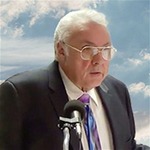
He is also a man who understands the cost of love personally. He's walked through his own deep valley of grief with the loss of his granddaughter, and he brings a unique wounded authority to the conversation about suffering and hope. And it's also my privilege to mention that you are one of our members of our board at Hope in the Morning. And so, what a privilege to have you on today, Greg. Thank you for joining us.
Oh, it's my honor. Thank you. I was reading a little bit on your website. Connect two ministries, and you talk about how you have a focus on ending the Rostavic system with the children. For those that don't know really what that is, can you explain that to us?
Yes. Restovic, which is the Creole word for to stay with. And originally it was if I had a family and I had so many children I couldn't feed them all, then I would find someone else who could help care for them and feed them. But pretty soon it became the people were taking advantage of that and they would approach a hurting family and they would say, I'll take your child and I'll find someone for you to take care of them.
So eventually what this ended up is basically to be child slavery. We have over 300,000 slave children in Haiti and probably more than that. That was a few years ago and with all the gang violence we probably have more than that.
So it's endemic, it's terrible, it feeds on poverty. And then the real challenge is the people that they typically sell them to are the Wealthy, the powerful, all of that. There's not a lot of people that are doing what we do basically because it's not super safe. And so we've taken that challenge on and If you want to know the process that I use, I'm happy to go through that. But we can talk more about the principle if you'd like.
Yeah, I mean, I think that we would definitely be interested in the process of what it looks like to rescue a child. But before we talk about that, I'd love to kind of know your heart. Since you're the founder of Connect Two Ministries. What led you to see that there's a need and I'm the one that God is calling to help fulfill that need.
Well, probably go back a little bit farther than that, Emily. As a I've been a pastor for a long time and I've been involved in church my whole life. And I've watched over the many years, watch the church go from reaching out to slowly reaching in. And to the point of where there's almost an exclusion to going out. And it just breaks my heart because obviously that's why God has left the church here.
That's why His bride is here to draw the world to itself. But that's not been happening. And so we've become very inclusive. And so, part of the way, because I've been doing mission strips, I'm a first responder for the Red Cross, I've been going around the world for years. And one of the things I've found is when you take people out of their bubble and you expose them to true need.
All of a sudden, their worldview changes, their perspective changes, and when they come home to church, they begin to change the church from the inside out. And that's why we started Connect Two Ministries. One of my good friends. Todd Smith, who I know you have talked to before as well. He said, You know, when you're a small church, you don't have money for a staff for a missions pastor.
Would you kind of be? a renta missions pastor for us small churches.
So that's really how we started. I started saying to two churches, if you want to take a team, I'll find a place for them to go, we'll take them, and all of that.
Well, I had a team from Todd's Church. in Haiti. This was in January of 2009. And we left on Sunday. January 10th.
at, I'm sorry, January 8th, which was two days before the earthquake happened in Haiti. Edit. Blew the whole city up. 300,000 people dead, if you can imagine that in one city. And so because I'm with the Red Cross, I immediately went back and started figuring out how we could rebuild and how we could have Jesus be a part of this whole process.
So I met with 350 pastors. Haitian pastors, and we talked about what God was doing, how we could deal with this. And one of the things I came into theologically, number one, is. They felt, having come, many of them coming from a Catholic background. Believed that God was angry and the earthquake was due to the punishment of God towards voodoo more specifically.
And so we started talking about number one, that is not what God is doing here. God, in his sovereign design, is calling people to himself. And he will bring people into the circumstance necessary so that they can see the cross of Jesus the most clear. And so we turn to Acts twenty seven. We look through that whole process that God is truly sovereign and He puts every person in their place in the circumstances so that they are most responsive to Him.
So we started rebuilding churches around the outer rim of Port-au-Prince so that people would leave the tent cities that were in the middle of the city. and go because the churches, after we rebuilt them, we gave them medicine. We gave them food, and so the people would leave the tent cities and go to the churches, and then the pastors were in a great position to share Christ with them and a whole new message of hope. And we ended up rebuilding about 68 churches. And the revival was amazing to watch how people came to Christ.
And it was just a privilege to be there. But in this whole process that was two, three years, I started hearing this word Rustavik. And started doing a little more work on it. I asked the pastors, do you know about restivics? Oh, yeah, we know about restivics.
But they had Kind of accepted as a cultural norm, which is certainly not unusual. We in the U.S., we have our cultural norms too that are not biblical. They had theirs, which was Restavik. And so we started talking as I was doing pastors' conferences. What do you think it would look like if we as the church began rescuing Rustaviks?
And Finding Other cultural challenges, number one, poverty, obviously, food, rest of it. Medicine, all of those things. What if the church became a place of hope? or the culture. And they all got pumped about it.
So we started with RESTivix. They have part of their police department is called The Brigade for the Protection of Minors, BPM. And um If you pay them, they will when they go in and check on a minor that is reported to be an abused. Then if the child has papers, then they know that the parent owns that child. End beating is okay.
But if that child doesn't have papers, then they know that child is a restovic. They bought that child, but they're not the parent. and they will take the child and bring them to us.
Now we're out in Odeville, which is a town kind of way out of Port of Prince, at least we were. And at that time, we had built a home both for girls and for boys. And we at one time had up to 117 kids. That's changed a little bit in recent days. Um But it was it was our Entry level, and our goal was not to rescue all the kids as Connect2, but to demonstrate to the church what that looks like.
And so we've been in the process of saying to a church: if you want to build a small home for Rustovics, And you want to become a part of this process, we will help you so that the church begins to set its own.
Social services, its own rescuing place where they can help these kids heal.
So that's the long story about Connect2.
Sorry for going on for so long. I think that's wonderful. What are you going to get? I think that's wonderful, actually. Like the more information, the better.
But I think, so with that, I don't wanna I wanna make sure I'm understanding correctly.
So you help churches set these these homes up for the rest of it so that then the church helps maintain what the need is for that home, that individual church will will kind of That is the goal. We've not gotten there yet. We're still in this process of modeling to the church. And in the middle of the process of modeling that is when the gangs came in. And the gangs took over Port-au-Prince.
They actually chased us out of our compound. and we had to take refuge in an old abandoned school. And we were threatened all the time. We had to pay ransom to keep the gangs from taking our girls and abusing us. I finally sent in special forces to extract us out of Port-au-Prince and we moved up into the central plateau.
And in the central plateau, we were safe for a while, but then the gangs migrated up there. And they came in. Fired shots, scared the living daylights out of my poor kids. uh captured our our lead pastor, Pastor Pauise. held him bondage for 47 days.
gave him one cracker and one cup of milk or a cup of water a day. Be him. Um And we finally got him back. They asked for half a million dollars. Obviously, we didn't have that kind of money, but we were able to negotiate a release for him.
And one of the saddening things Emily is in that process when the gangs came in. Our kids just scattered because they were firing guns. They had taken Pastor Poise, who is their dad. I mean he's the only family they know. and they were telling him that they they told the kids that they were going to kill him.
And so they just scattered. And um When we came in the next day, after the gangs had left with pastor police, we tried to collect all the kids. We ended up that we lost a bunch of them because we don't know if the gangs took them, we don't know if they killed them. But they're gone.
So now we have 65 kids. And where those other kids are, we don't know. We're hoping to be able to go back into that area. After the gangs leave, and then we'll be able to maybe re-rescue them or find them. But right now, it's our heartbreak that we've lost some kids that we've invested four or five years in.
and they're out there alone again and it's really a heartbreak for us. And since then, since we got police loose, We've now moved up to the way north outside of the gang territory. And working, developing a whole new plan for up in the north.
Well, you know, I mean, as listeners, when you hear this, it's easy to start thinking, wow, you're just completely engulfed in this darkness. But John 1 reminds us that the light overcomes the darkness. And so when we come back, we're going to talk about the hope that you offer through this ministry and the light that you are seeing shine through. But then also, you know, talking about how your unique suffering that the Lord allowed you to walk through is now allowing you to better walk through suffering with these people.
So join us again in just a moment on Hope in the Morning. Do you have a heart to comfort the hurting? Do you want to show the world that through Jesus Christ we can have hope in all circumstances?
Well, then we welcome you to visit hopeinthemorning.org and see how you can join us in these ministry endeavors. May you be encouraged by who our God is as you continue this episode of Hope in the Morning. To learn more, visit us at hopeinthemorning.org. Are you in a season of seemingly endless sorrow? Is your heart longing for encouragement?
Join us on Hope in the Morning to hear powerful testimonies of how God is a light even in our darkest valley. We'd also love to pray for you. Simply submit your prayer request at hopeinthemorning.org. To learn more, visit us at hopinthemorning.org. John thirteen thirty five says.
By this everyone will know that you are my disciples if you love one another. Do you know how to best love and serve your hurting brother or sister in Christ? Listen to Hope in the Morning and be equipped to offer the hope of Jesus to every hurting heart. To learn more or to partner with our ministry, visit us at hopeinthemorning.org. Yeah.
Welcome back to Hope in the Morning. We are joined today with Greg Barshaw. And not only is Greg a very valued member of the team here at Hope in the Morning, he's one of our board members, but he is the founder of a really crucial ministry in Haiti called Connect Two Ministries. And he's sharing with us how he goes in and helps rescue these children, but really as a model. For other churches, that you are hoping that other churches come in and see the need here, and that they become part of this mission of hope, basically, for these children.
are in seemingly Endless darkness.
So with your feet on the ground, As you've gone many times to Haiti, what are some of the ways that you have seen? hope kind of drive a light into that darkness there.
Okay.
Well, maybe let me just hope for our listeners to understand how dark dark is. As you know, Haiti has been for years The fact that since its inception, every president has dedicated the island and the people of Haiti to voodoo. Voodoo is a Is a dark, dark belief system that believes in the spirit world. One of the things that we found that's happening currently through these gangs, the gangs are all voodoo. Um And they have taken over 90% of Port-au-Prince, which is a city of 3 million people.
In the process, when Pastor Pauisse was in bondage, he was in bondage with 25 other people. And every three days or so, they would bring. A gang member would come in, he would grab one of the people and say that the voodoo spirits need more blood. They would slit their throat, bleed them out, and then offer the blood to the spirits.
So they're doing human sacrifice in Haiti to evil right now. The other thing that they do and they kill a family. They will only kill the adults, and they will And then they will take the children, the girls they will abuse. And then the boys, they will actually make them child soldiers. They will give them guns, teach them how to shoot people, how to violate people.
Now, one of the things that we believe God has really placed heavily on our heart now is there's about 10,000 of these, we'll call them war children. And we want to start rescuing them as well. We're going to be working with some people. who will help us rescue some of these boys back from the gangs. and go through the healing process with them.
Now, this healing process, and even with our Rustavic children, is a long process. These kids are broken. When we talk to them about a heavenly father that will never leave them nor forsake them. Every man in their life has been an abuser.
So the girl's response to me is: you now have a father who will never leave you. I don't want anything to do with men. I am done. I don't trust a man. Every man I know is an abuser, not a carefor person.
And so we have to go through that process of reestablishing trust. dealing with forgiveness. getting them to the point of where they can even be willing to start a relationship again.
So, our male identity there is hugely important to establish a male figure. That's why Pastor Puiz is so important to them. He is Papa to them. I am Daddy. He is Papa.
Because we're the first males that they have been able to trust. And then we can now introduce them to the true Heavenly Father. But that takes years. It takes a long time. And that's why we really believe that the long-term process is that the Church of Haiti needs to embrace it.
Needs to take it on themselves. They're the best ones to re-energize them and put them back into a world as a healed child who now will break slavery, will break this child soldier process one child at a time. How many Christian churches are there in that area that you're hoping can kind of step in and help you in this process?
Well, I I've worked with with over 50 churches in Port-au-Prince. I've connected with 350 but work pretty closely with about 50.
Now, a lot of those churches have been burned and the pastors have been Either killed or have had to leave.
So it will be a process of rebuilding.
Now, the UN is talking about going in in April. With 7,500 troops, and if they do that and they're able to deal with the gangs. Then we'll go back in and reestablish those churches, reorganize. Get the pastures back in place again, and then we'll be able to start that process. We're kind of Port-au-Prince is now almost like after it was after the earthquake.
It's destroyed. And it's going to be a process of rebuilding. That whole network of churches, so that we can do that. I mean, I think that. You know, people hear about things on the news like this, but it's so easy to keep things at arm's length, you know, and you can turn the channel.
They can't. These children can't. This is life for them. For many of them, as you're mentioning, it's all they've ever known. All they've ever known is abuse, neglect, abandonment.
That's it. And Oftentimes, as you have mentioned, people do kind of see the lens of See God through the lens of their earthly father. It's all they've known.
So when they hear of God as a father, They don't think of him as this loving refuge, as this protector and provider, because you have these children whose fathers are either abusing them or willingly selling them into slavery, saying, I can't provide for you, and so off you go.
So they don't have that hedge of protection from a father. They don't see it as this loving caregiver. And yet, here you and these other pastors are stepping in and trying to help them. Albeit, we're all flawed, right? None of us can be a perfect mother or father.
But you're trying to show them That God is a God of compassion, that fathers can be compassionate, that fathers can put themselves in danger and ought to, right? If we're going to follow what God calls them to be. They ought to lay down their lives for their wives, for their children. And you guys are demonstrating that. And so we see the danger of things and the violence in the news.
But what I think we don't see much of is just the practical side of what survival looks like. And so you're talking about how. You know, Port-au-Prince is just devastated right now. It's become, it's just completely devastated by war, by the earthquake that had happened years ago. How are you able to still care for the day-to-day needs for them?
How are you able to get the food and the supplies and the water that you need to your locations to care for these children?
Well, it's been very challenging, obviously. Not only is the food not very plentiful. but it's also super expensive because the gangs have Have uh They hold hostage the different store owners and they charge them a duty for everything.
So, a bag of rice that four years ago was a certain price is now 300% more. Wow.
So, what we're dealing with currently is a ton of starvation. We have probably 3 million kids that are on the edge of starvation right now.
So, what we're doing is we're in the process now in a couple months, I'm hoping to open a clinic. And what we do when we open a clinic is we'll do well baby care and we'll we'll probably see three to 400 kids a day. And in that process, when we see those children, we'll be able to assess their physical situation. And many of them, most of them will be malnourished. We have a disease there called quashikor, which is protein deficiency.
They can afford sometimes rice and carbohydrates, but they can't afford protein. It's the most expensive thing: beans. or even meat.
So what we see is quashikor, which you can notice. Their hair starts to turn red and it becomes red because the hair is actually having the protein leached out of it and it turns red. These kids will die from Kwashikor if we don't deal with it.
So we bring in. From the US, we bring in a high protein bar that they can take home with them, and then we give that name of that child to the church, and then the church follows up. We believe that compassionate relationship is a huge part of what we do. But the compassionate relationship is only a means to an end, and the ultimate end is so that they would know Jesus. We do feeding programs, we do the medical programs, we do all kinds of different things to gain a relationship with the current neighborhood so that we can help them know who Jesus is.
And that's what we're training our pastors to do. Your job is not to sit in your office and have the people come to you. Your job is to go out, find the needy, just like Jesus did, and then give them hope that there can be a different life through Christ. Yeah, go out and make disciples, right? Is what we're called to do.
And, you know, and then I'm reminded too of the scripture that talks about, you know, if you tell them, go, be fed, and be well, but you don't give them food and you don't care for them, what good is that? You know, we have to put our faith into action. And that, I think, you know, we've talked about this a couple of times on Hope in the Morning, actually, but it can be easy, I think, especially in America, to become a little bit complacent in our faith because it's pretty easy here, right? We're not currently being persecuted. You can go to church wherever you desire.
Sunday, Saturday night, whatever you desire, you can do that and not have fear with that. But oftentimes you see The true devotion, and I'm sure you see this in the pastors that are there in Haiti that you've been working with. There's a whole different level of devotion to Christ when it actively costs you something. And that's what these pastors are facing. Just as you mentioned, that the one pastor that works with your ministry was kidnapped and held hostage for over a month.
that that costs you something. That makes you really think. What am I gonna do with my hands and feet? How am I going to serve the Lord and do as Christ did and give myself up? For somebody else.
And that's what you guys are doing. And with the last minute that we have here before we go to the podcast, which those of you that are listening on the radio, go to our podcast. You can listen to us wherever you listen to podcasts, or you can go to YouTube to Hope in the Morning Backstage, and you can hear the continuation of this episode. And you're not gonna wanna miss it because we're gonna talk about how Greg has walked through his own sorrows. And because of that, Oftentimes, the Lord really does equip us for service through suffering.
And there's a unique way that we can minister to hurting people when the Lord has brought us through that fire ourselves.
So I would greatly encourage you to listen to the continuation. But one of the things that is very unique about Connect Two Ministries is that these children do not age out. Of your system.
So, with the minute and a half, two minutes that we have left on the radio here, can you kind of tell us why that was so important to you guys?
Well, one of the big heartbreaks, I think, of a lot of orphanages is when you reach adulthood, 18, theoretically. that you're on your own. My goal is that they not age out, but they mature out. And that is once they've healed, once they come to a full knowledge of Jesus, once they have enough education or a trade that they can now raise a family, then they're ready to go. Many of my kids, even if they've come to me at 12 or 14, they've never been in school.
So at 14, they're going to start in first grade.
So we've got a long process with them. And as I've said before, you know, our healing process takes years in order to get these kids where they're really emotionally ready. to go out on their own.
So, I don't expect any of our kids to go out on their own until they're in their mid-20s, sometimes maybe even 30, because the goal is to heal. and to break slavery. And to Send out a child that's fully equipped to enter the world. not just to age them out, but to mature them out. You know, that, again, is just an example of the Christ-likeness of your ministry because that's how Christ is to us as a father, right?
He doesn't say, I'll see you through to this certain point and then you're on your own. He sees us through our whole lives. And that's what an earthly. good earthly father would do as well. They also don't say, oh, you've left my house, but now you're hitting trouble.
Sorry, you're on your own. They step in with compassion and humility and self-sacrificialness. And that's what I see in your ministry. And I want to close with this verse that this is describing God's character. In Psalm 68, 5, it says that he is a father to the fatherless, a defender of widows, and that this is God in his holy dwelling.
This is the attributes of our heavenly father. And so I want to remind our listeners that when Connect 2 Ministry steps into care for a child, they're acting out the very character of God and that you're actually, it's not just a charity. It's not just a nonprofit organization. It's theology in motion. Which is what we want to do.
We want to put our faith to actions.
So, continuing on, you know, I think that. Oftentimes, as I mentioned in the radio portion, that the Lord really does. Equip us for things that we don't even know that he's going to call us to through our suffering. And I know you had said that you connect to ministries started in around 2009. Is that what you had said?
And so you are also a father. How many children do you have? I have three children.
Okay, and then how many grandchildren do you have? We now have 13 with our new one on the way.
Okay.
And, you know, there's such a blessing in being a parent and in being a grandparent. And, you know, at this stage, I'm just a parent, but I've heard good things about being a grandparent. I've heard that that is such a special season. And the Lord brought you through. A really intense trial several years ago, where you walked through the loss of your precious granddaughter.
Can you tell us a little bit about that and how the Lord has used that to create? Even more of a connection to these people in Haiti that are grieving and need somebody to come alongside them with a heart of compassion and tenderness. Yeah, absolutely, Emily. We, my daughter was going to visit someone in another town. And she and her girlfriend and their four kids were all in the car.
And when they were on their way home, it was dusk, and we had it, it was a two-way road. And a gentleman coming the other way, who was a young kid, eighteen. Was sexting and texting on his phone, drifted into her lane and hit her car head on. It ended up killing our eight-month-old daughter. And um The other two girls that were in the very back seat, it brain damaged those two as well.
There was only one child out of that that came out fine. And then the two ladies in the front, my daughter and her friend, were also pretty seriously hurt.
So it was it was pretty traumatic. They were able to resuscitate my granddaughter for a little bit. until she got to the hospital where her dad met her. And he held her until she passed away and the Lord took her home. Um Obviously difficult, difficult circumstance.
Um I think Part of where I believe God meets us in such an incredible way. God's commitment to us is not to make us happy. But to help us grow. Yeah. And there's times that we need things to help us grow, and those things are not always easy.
In fact, most of the time we grow during the hard times, not the easy times. Early on in my life, when I was 20, I went to East Africa for three months to do a short-term mission. And I ended up in the middle of a famine. Mm. We had 100,000 people starved to death.
And until you've held someone who dies from lack of food? or held a child as they die? Um It's pretty difficult to understand. how challenging that is. And I walked through some theological questions that were pretty challenging.
I mean I'm born and raised in the church. God is loving, kind, fair, compassionate. And all of a sudden, my theology just dropped to the ground. It just didn't work for me.
So he and I had some pretty harsh discussions. I yelled at him. I accused him of some things that I'm not proud of. But God in His amazing grace continued to work me through that process. And one of the Verses that came jumping out to me as Paul in Philippians he says, That I may know him in the power of his resurrection.
and the fellowship of his sufferings. What I learned is that God In His amazing grace, meets us in our time of suffering, and there's a ministry that He has to us. Call it mystical, call it ethereal, call it whatever you want, but the Holy Spirit meets us there. and comforts us in our grief, comforts us in our loss. I buried a lot of people when I was there.
And in that process, God began taking me on a journey of understanding His will. that Is not an easy journey, and it's part of why he broke my heart for the third world. I've since then have seen Dug people out of earthquakes, dug people out of tsunamis, most of them dead. Um But there's a part of that That I understood or began to understand that God in His amazing grace is willing to take people. to the point of where they break.
And when they break, he is there to put them back together. and to understand how much he was willing to break for us. And there's no way we'll understand his sacrifice till he brings us to that point. Yeah. And so The people that I feel sorry for are the people that have not been broken.
Because I think they understand such a very small part of the heart of God. As we know, our good friend Johnny, he broke her neck. What heavenly Father would ever break your child's neck. Yeah. But our Heavenly Father Is willing to do really drastic things in order, including ending life.
Including breaking necks, including doing other very drastic things that the world looks at and says, That's crazy. How can you defend a loving God? Yeah. But I can look them in the face and say God loved you enough. to hurt you so that you could see your true need.
which is not his health. Not for wellness, but But for him. We forget our place, right? We forget that we are those that are created. And so we want to shake our fist at God and say, you're not doing this according to my plan.
You're not doing this according to what we say is good as humans. Who are we? You know, I mean, you go back to the book of Job. Who are we? Were you there?
When God laid the foundations of the earth, we were not. We were created for Him. And And we We have to learn to submit to him. And to what he deems is good, which is oftentimes not what we would say is good in the moment. But just like you mentioned with Johnny, you see how the Lord took her at 17 years old and she didn't deem that good.
You know, she actually became very suicidal. But here, the Lord had made it so she physically could not commit suicide because she's a quadriplegic. But the Lord. Has redeemed that mightily. I mean, she loves the Lord, she knows his word, and she wants to proclaim it to other people that are hurting and say, You, you may be living in a broken vessel here on earth, but let me introduce you to the healer, let me introduce you to the one that.
can take all your infirmities and rescue you from your greatest need, which is sin. And With with you having gone through That That immense trial at only 20 years old or in your 20s when you became part of that famine and you watched people die and literally were holding children. And that changed your theology ultimately after wrestling with God, which I think we all, I think if we've met deep sorrow, we've wrestled with God. And that's one of the things that. It's one of the reasons why the book Hope in the Morning exists.
It's one of the reasons why this show exists, is because. We, as believers, if we're not willing to be genuine and just. honest with one another about our strugglings. Then, how can we grow? How can we serve one another?
We can't. Because if we, as I like to put it, if we try and always show up to church sanctified. Then where are you going to go? Who's going to know that you actually need your arms uplifted right now because they're too heavy to worship on your own? They don't know if you're hiding that, if you're afraid to tell people that I'm really struggling.
With what I thought was true of God and what I'm feeling right now is true of God, I'm struggling to reconcile those things. But when people like you, Greg, who are pastors, who are missionaries, are willing to come on and be vulnerable and say, listen, I really wrestled. I got angry with God. I shouted at God. I really wrestled with who are you and what are you calling me to?
That allows people within the church who are the sheep. to say, okay, I can put down the pretenses. And I can walk In truth. I can I can be human. and tell people, this is my struggle.
This does not feel good. And I think it's really important in order for the church to grow. In any sort of depth in our faith and depth in our love for one another and for the Lord, is to be able to. pour our hearts out genuinely to Him and share our struggles with one another. Um, did you find that because you had walked through that hard time?
of really wrestling with the Lord and wrestling with your theology. When your sweet granddaughter went to the arms of the Lord, Were you able to help your daughter and your son-in-law walk through that a little bit? a l a little bit with more, um confidence from your end than you would have if you hadn't been through those trials. Absolutely. Absolutely.
I mean, there's nothing that helps you more than having experienced it yourself. I know. My son and daughter my son-in-law and daughter Had different experiences. When we go through mourning, when we go through loss, we all react differently. And I think the challenge, especially for a couple, is they really can't help each other because they're both going through their process.
My son-in-law, he was going through the theological part. Why? He needed to know why. And so for him, it was really much more of a biblical journey to try to understand what God was doing and why he was doing it. My daughter was, as most moms would do, was just struggling with the emotional loss.
And one of the things that was one of the sweetest times she and I had. We were sitting at a park together and it was just very quiet between us. And I I told her That I'm so sorry that she's alone. No one understands. Noah can speak to it.
Yeah. Don't tell me you understand 'cause you don't. And be Allow. Yeah. There is nothing worse than being alone.
Hmm.
So we talked through. That But Jesus understands. When he cried out on the cross, My God, my God, why have you forsaken me? He understands that aloud.
Okay.
everything he had ever known. was gone. Yeah. And my daughter experienced that. And he's the only one who understands aloneness on that level.
And we were able to fellowship, not that I was able to understand what she was going through, but to speak. to what she was experiencing. In my aloneness and her aloneness? 'Cause no one understands when I do. And that's okay.
Because I think that's where God meets us. That's where Jesus meets us and gives us. the opportunity to grow in our relationship with him. But that was a real helpful time for she and I to walk through that. And And I think that's why.
The Jews had it so well, they talked about. If someone is grieving, just sit in the dirt. Mm-hmm. Get on the ground, cross your legs, just sit with them. Don't say anything.
Just be there in their aloneness. And it's why Job got so ticked off at his friends because they wanted to preach at him. They wanted to give him their perspective of what was going on. Worst thing you can do with anybody in mourning, just shut up. Be there.
Yes. Be with them. Yeah. And when they need a word. You have a word.
But don't preach at them. Yeah. Sit in the dirt and Be willing to sit there as long as you need to. This is not an instant thing. This is not a McDonald's drive-through.
This is a grief process, which takes. weeks, days, months, years, a lifetime to get over. Yeah. So many of the things you said right there I just, I love and I resonate with so much. And there are things that we've talked about here on Hope in the Morning before because they're so important.
And one of the things is what you had talked about is feeling alone. And when you are in deep sorrow, you do feel so alone. But there there's this Mind surpassing peace that comes when you realize, oh, I can take this to Jesus. He understands. He's the only one that does.
And actually, there's a song, I can't say her last name properly, but Stephanie is her first name and her last name starts with a G. But she has a song that is No One Ever Cared for Me Like Jesus. And I don't know if you've heard it. It's a beautiful song. I love that song because when you're in the depths of despair and sadness, You truly do feel like nobody quite understands what you're going through, but he does.
He understands. And so we can just, we don't have to be frantically searching for somebody who will get it. We can just go to him and he will fully understand what we're going through. We don't even have to say words. He knows us, he knows our hearts.
He's intimately acquainted with us. And the other thing I was going to say is the the silence portion is so important. of learning to be comfortable. In that silence, learning to actually enter somebody else's suffering. And just like we were talking about with the American church and having it.
So easy really here in America. We don't enter into people's suffering. very often. And that it scares us. Yes, yes.
And that, that's a huge reason. Why hope in the morning exists? Because I truly felt like there was such a need. for people to develop a heart of empathy and compassion because it's lacking. And if you can hear these people's testimonies, but not hear them to parade their stories as some sort of.
You know Emotional stimulator. That's not what we do here. We want people to share their stories. Honestly, but share the hope just as honestly. Um but We do that so that people can Actually, learn to empathize with them.
Have some compassion. Learn what was it like when you entered that hospital room? What was it like when you got that diagnosis? How can we serve you? What should we not do?
Those are important things for the church to learn to be effective. I think one of the challenges for the church, we talk about culture. We talked a little bit about culture with Haiti. We also have a very A culture that's not always biblical. In fact, Jesus talks about that through his apostle Paul in.
In Romans 12, 2, he says that I mean, I'm sorry, that he says that. We pray that you would have your mind transformed. And don't be conformed to this world, but be transformed by the renewing of your mind.
Well, what does that mean? That means culture's taking us the wrong way, and we need to go the other way. One of the things I always challenge pastors with is Forget trying to be efficient. The church is trying to be efficient. That's why we do the big.
Buildings, that's why we preach, that's why we do all that stuff because we want to be efficient. You know what? Jesus demonstrated to us. Christianity is not efficient. It's ugly.
It's tough. It's time consuming and get over trying to be efficient. and to get over mourning, to get over loss. is inefficient and it's ugly. And we need to make the church a safe place.
To vent, to scream, to yell. and to go through the process of healing Because if we don't then we'll end up with what we have and that's why I so appreciate this ministry. is you have opened a window into What are we doing with the morning people? Because at this point, they feel very excluded. And we want to give them a book, we want to give them a verse, and hopefully it changes, but it doesn't.
It needs someone to be willing to sit in the dirt. expend a ton a ton of time Be inefficient, be ugly. And Just care. Absolutely. I mean, the long suffering is something that has been more and more brought to my attention in the last couple months, really.
That that I didn't even realize how much of a shortcoming Long suffering was for the church as a whole, but it really is. People are, they're willing to be there in the moment, in the emergency of it, and then their lives go on. And actually, you know, I wasn't even planning on saying this, but you have been one of those people. That has been so long suffering with me, with my mom. You know, you, I actually, on the way here, I have my daughter with me, and she was like, Who are you interviewing today, mom?
I said, Well, Mr. Barshaw, mommy, is that the one that does he text message Marmie and you every day saying he's praying for you? Yes, honey, that's who it is. They know you, they know you by your service, which is so incredible. She's 11, you know, and to think about the impact that that has on her to see somebody.
Faithfully pray and then remind people, I'm praying for you. And that's a huge ministry. I know that that's ministered to my mom tremendously over this past year. But being long-suffering, it takes a lot of intentionality. You have to remember other people, not just yourself.
But I think also within the church alongside that is that there's almost this pressure For us to move on quickly, that's what makes you the mature believer, and it's not true, it's not true. We can grieve and I'm sure, you know, I'm sure that the loss of Tatum is not something that you or Nancy or Caitlin or Matt will ever get over. You don't get over something like that. It transforms you. you guys will love her and hold a space for her in your lives forever.
I mean, that's and that's how it should be. But oftentimes that's not how we feel. Um That's not how we feel is acceptable. within many church circles, it feels like you reach this certain timeline. And you should be healed this amount.
You shouldn't be crying anymore this amount. And that's just I don't know where that comes from, but it's not. It's not biblical. I think that it literally is just people kind of saying, okay, time to move on now. Um We don't want to do that.
We we want to hold that space, like you're saying. Yeah, and we use I mean it's been it's been said stages of grief You know, like it's sequential, and then once you get to five, you're done. Right. And it's just not that way. There's a hole in your heart.
that never gets smaller Prayerfully, as we mature and we grow, then we're more able to carry the whole. But the whole never changes. My daughter would say, she's quoting a gal she listened to on a podcast, I believe, and she said, I will laugh again. I will I will smile again. but I will always walk with a limb.
Mm-hmm. And that's the way it is. We will forever be different. We will always carry loss, but we will grow in our ability to carry it, not that it gets any less. Right.
As a church, we're brothers and sisters, right? We should help carry those burdens. We should remember as best we can. Even if, you know, maybe you're not great at remembering the dates, but maybe you remember roughly, you know, I don't know if you know this, but actually, with Tatum, as soon as I heard about the loss of Tatum, one of the poems in the book is actually written in honor of her. I don't know if you knew that.
But It It's one of those things where If we are loving deeply, Our world should stop when someone else's world stops. And we should be willing to slow down. and put ourselves in their shoes. Show compassion. Would you want somebody to tell?
Like, this is one of the big things to me, I guess, is that so many people, I don't know why, but they think that. Year one, for whatever reason, is the hardest year, which I've learned in being in this grief ministry now for almost eight years. It's not the hardest year. Year one is not your hardest year, usually. But it also is like the grief doesn't end just because you've been through that first birthday.
You've been through that first anniversary. You've been through the first holidays. It doesn't end. The next holidays are hard too. The next birthday is hard too.
But, and my mom brought this up: is that. It's oftentimes not even the big things because our hearts kind of prepare for those, right? Our hearts kind of prepare for. Their birthday's coming up next month, whatever it may be. But it's the little things.
It's seeing a little girl that would have been Tatum's age. It's walking into a store and seeing a doll that was just like her favorite doll. It's little things that you're not expecting. And then it becomes those waves of grief. And So going back to Haiti a little bit, you work with orphans.
You work with people that have watched children die in their arms. How how do you bring A unique comfort to be able to say, I I understand to some extent the sorrow that your heart is carrying. And let me tell you about the Lord and how he helped me through that. I I think part of it, Emily, is is First of all, not moving on to the spiritual message too soon. You know, sometimes we're getting back to the efficiency again.
Okay, so I'm going to feed this child and then I'm going to tell them about Jesus.
Well, credibility doesn't come with one glass of water or one meal. It comes over time. And so part of it is Is the When I commit to you, I'm committing to the long haul. I'm not a drive-by. In fact, I when I was in Thailand after the tsunami of two thousand four, I kept going back to the same village that had been struck by the tsunami.
And this one dear lady, she finally takes me aside and she said, You know, all these other people drop their food and they leave. You just don't go away. And I took that as a compliment. That, yes, why are we going away? Don't go away.
I think over long term as you prove your your love for them, your significance for them. Then you gain the credibility to talk to them about Jesus. But as you know, going through your own grief, you're not ready right away. You're ready after you begin the healing process. And I think that's where we in the church sometimes get a little bit off.
And that is, we're not willing to do the first investment, which is which is the long hard part. In order to gain credibility to speak, To the most challenging part, which is the spiritual thing.
So I just would recommend to people. If you're going to visit them. Don't make it a one-off. I mean, make it okay. I'm going to commit six months to this person.
I'm going to commit a year to them. Yeah. You know, I've been praying for some people for a long time. In fact, there's some people I've been praying for for. I don't know, 15 years?
Wow.
And the list gets long and it gets laborious, but you know what? That's the work, that's the job. It's not a hit and run, it's a long-term investment. Yeah, and actually. you know, oftentimes through scripture, it talks about prayer.
As an act that's done for one another, not as much done for ourselves. And There's a I have found too that when you are suffering, one of the great ways to take our eyes off of our own suffering, whatever that may be, is praying for others and uplifting other people. But also, one of people's greatest needs, as you're saying in Haiti, how you've got to feed them, you've got to bring them the water, you've got to provide that safety for them long term. One of the other things that I think is practical just on our side here in America with people that are suffering, people need to be listened to. You know, like they really need you to be willing to just call them and say, Tell me it tell me how your week's been.
And keep it small. It doesn't need to be tell me how you've been. That can almost be overwhelming. But if you can say, tell me how your day went yesterday, tell me how your week has been. and just listen.
A lot of times There's a lot of processing that they can do, and even spiritual wrestling they can do just by talking about what they are going through. I think that that's so important. Greg, what are some of the ways that Those of us that are listening and just learning about your ministry with Connect To. How can they help supply some of the needs that that you guys have with Haiti, with this ministry.
Well, we're um We're in the process now, as I said, we got chased out of two of our compounds. And so we're now in the process of setting up a new compound and. That just takes time, takes a lot of effort, takes a lot of teams. I've got a team that's just coming back today. from Haiti.
Um So, if you want to be a part of a construction team, a medical team, any of that, feel free to go to my website and we'd love to have you come and visit with us. It's a little challenging because there's no US airlines that are allowed in the country right now.
So we fly over on an old DC three and we land in a very interesting way.
So be willing to rough it a little bit. Um But we always need counsel, we always need encouragement, we always need prayer.
So, any of those things that you could do for us, even small things like we had, you know, our kids have not experienced Christmas in a couple of years. And so, a church put together a bunch of shoe boxes for our kids with toothbrushes and toothpaste and a little bit of soap and that kind of thing and some underwear. And that was huge for them. They had a huge party just celebrating underwear and toothbrushes, you know, because they aren't used to getting anything.
So, anything that you can do to make our kids feel special. Even sheets, pillows, blankets, any of that stuff is super helpful. Clothes, you know, our kids go through clothes, and it's very difficult for us to buy them. But if we can take a container over of clothes, that would be awesome.
So there's a ton of things you can do. Feel free to contact us by website, and we would love to engage you. And if you're a nurse, we'd love to use you as a nurse and the skill you have that way, or a contractor, or whatever. we'll find a way to make this partnership work. Yeah, you know this this really is like what we talked about at the beginning.
This is theology in motion. You know, we we talk about wanting to love those around us, but this is what it looks like in action. And you know, I would just I would encourage those of you that if this if this has seemed like a difficult conversation to listen to, good. That means that the Lord is stirring up something in your heart and making you realize that there is really A need for this, and that you should feel heavy when you hear things like this. But don't walk away, don't turn off the radio, don't turn off this podcast, and walk away and say, not my problem.
You know, that's so sad. Not my problem. It is. We all have a calling to be the hands and feet of Christ. And so, if you're listening to this episode and you feel that tug on your heart and you think, I could donate clothes, I could donate these gifts, I could donate my time and my service and the skills that God has given me.
Don't quiet the Holy Spirit within you. Serve with that instead. And so, Greg, I so appreciate you coming on here. I think that this has been a wonderful conversation. I hope it's really stirred up the hearts and the minds of our listeners to put their theology into action and be doers of the word and not merely hearers of it.
So, thank you so much for joining us today on Hope in the Morning. Amen. Can I just add one more thing, Emily, if we have a little bit of time? I I think when you talk about true religion, One of the things that Jesus talks about in Matthew chapter 25, it's after the Olivet Discourse, and He begins to talk about. Separating the sheep from the goat.
And he talks about it, and he used some very practical examples. If you fed me, If you gave me a cup of water, if you clothed me, if you came and visited me. He separates a believer from a non-believer based upon true action, not theology. but upon true pragmatic action. And when James talks about it, he says, If you walk away from a man who is poor and you say, God bless you, but you walk away and do nothing, what is your faith?
It's nothing. And I don't want to be the guy that says that you know everybody is not a believer. I don't believe that's true, but I do believe there are some people that need to look into their heart and say, Do I just know Jesus intellectually, but I never have really come to surrender everything to him? Because when we do, he changes our heart. and breaks our heart for a world that's out there.
If your heart is not broken, for the mourning, for the grieving, for those that are truly in need. I would challenge you to go back. and look at your own heart. Because we know Jesus says, I will give you a new heart, one that hurts for those that are hurting. And if your heart doesn't hurt, then I think you need to go back to the first page of the book and say, Man.
Maybe the reason I'm missing it is I've never really relinquished my heart to him. I think that that's a great takeaway. And I think challenging our own challenging our own hearts to see if we are in the faith, as scripture talks about, right? And You know, and being again with what James said, being doers of the word and following in Christ's footsteps. And Christ did, he went to the needy, he went to the poor, he went to the leper.
He went to the people that the other people deemed unworthy. You know, you see the scribes and the Pharisees, and they had all that theological knowledge, but it did nothing but puff up and separate them and make them think that they were better. And yet, here the Son of God comes down and he doesn't esteem himself highly. He doesn't make himself better. He goes to the least of these.
And that's what we want to do. And that's truly what I believe Connect to Ministries does. And I hope that many people will hear this and desire to take action and help support your ministry as well.
So thank you for all that you are doing in Haiti. And thank you very much for joining us today and encouraging us to be doers and not just hearers. Thank you so much. I appreciate it. God bless.
Hope in the Morning is a non-profit ministry that seeks to encourage the hurting. Equip those who walk beside them, and evangelize the lost with the hope of Jesus Christ. To partner with our ministry or to make a donation in your loved one's honor, please visit hopeinthemorning.org. Your donation helps keep these stories of hope on the air. and helps tangibly meet the needs of the hurting.